
ANAEMIA AND WHY WE NEED BETTER TREATMENTS
Anaemia means having too few healthy red cells in the blood. Bleeding is an important cause of anaemia in women who still menstruate due to loss of iron in the blood every time they menstruate.
Worldwide, half a billion women of reproductive age are anaemic (1 in 3), with a particularly high burden in South Asia and sub-Saharan Africa.
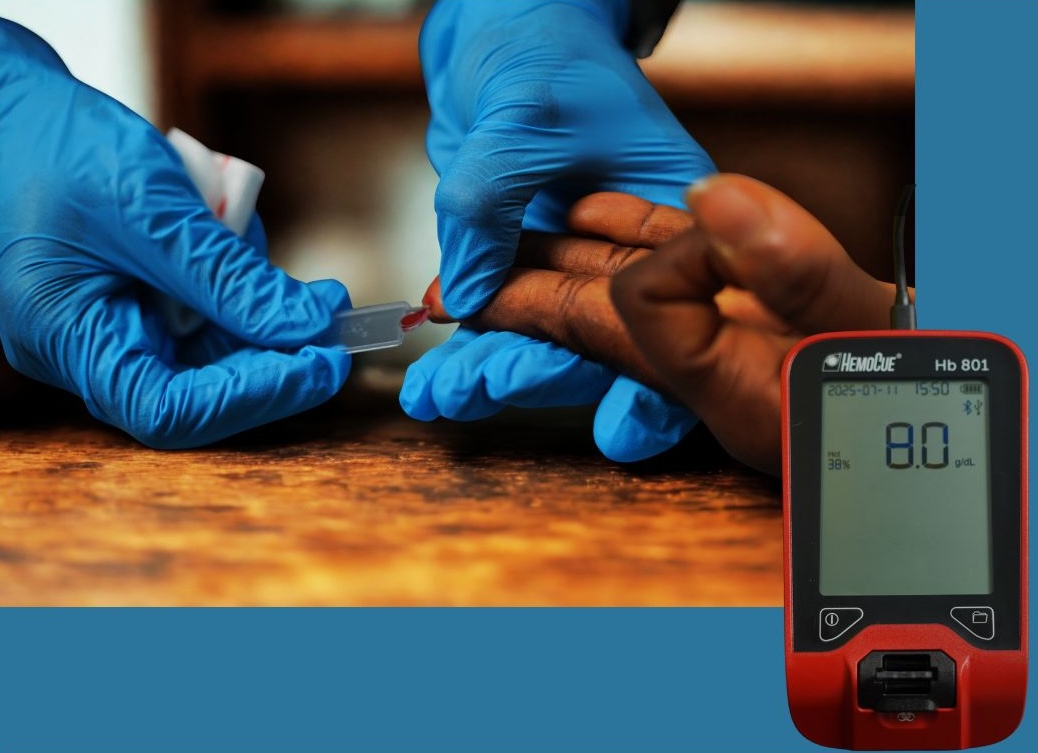
Anaemia affects wellbeing, educational attainment, physical endurance, fertility and participation in work, social, and leisure activities. In pregnancy, anaemia increases the risk of death of mothers in childbirth and can lead to stillbirth and death in babies soon after birth, and preterm birth.
Menstruation as a cause of anaemia is under-researched and remains a hidden topic that is frequently viewed as shameful or dirty.
Due to the taboos surrounding menstruation, menstrual losses of iron and haemoglobin have been overlooked in global efforts to reduce anaemia.
Doctors usually treat anaemia with iron and vitamins. But some people get side effects with iron tablets like stomach upset pain, diarrhoea or constipation and they stop taking it. Even if women do take iron, because they lose so much iron in their periods, they can still have a shortage of iron in their blood.